Things to Know Before Traveling to Hanoi: A Complete Traveler’s Review
Traveling to Hanoi, the capital city of Vietnam, is an unforgettable experience filled with culture, history, incredible food, and vibrant street life. For many travelers visiting Southeast Asia, Hanoi is often one of the most fascinating destinations because it offers a unique mix of ancient traditions and modern urban energy. From its centuries-old temples and colonial architecture to its chaotic traffic and world-famous street food, Hanoi is a city that stimulates all the senses.
However, like many culturally rich cities, visiting Hanoi can also be overwhelming if you are not prepared. Understanding the local customs, transportation, weather, and food culture can significantly improve your travel experience. For first-time visitors, there are several important things to know before arriving in Hanoi.
This review will explore essential travel insights, practical tips, and cultural highlights that every traveler should understand before visiting this remarkable city.
A City Where Tradition Meets Modern Life
One of the most striking aspects of Hanoi is how seamlessly tradition and modern life coexist. The city has a history of more than a thousand years, and that history is still visible everywhere. Ancient pagodas stand beside modern coffee shops, and traditional street vendors sell food just a few steps away from luxury hotels.
Walking through Hanoi, visitors will quickly notice the architectural diversity. Many buildings reflect French colonial influence from the late nineteenth and early twentieth centuries. Wide boulevards, yellow colonial houses, and old government buildings reveal a European aesthetic mixed with Vietnamese design.
At the same time, traditional Vietnamese culture remains deeply embedded in daily life. Locals visit temples to pray, families gather for meals on small plastic stools along the sidewalks, and community life often revolves around street markets and neighborhood cafes.
For travelers, this cultural contrast is one of the most fascinating aspects of Hanoi. It allows visitors to witness both the country’s historical roots and its modern development in one place.
Understanding Hanoi’s Weather and Best Travel Seasons
Weather plays a significant role in planning a trip to Hanoi. Unlike many other Southeast Asian cities that experience mostly tropical weather year-round, Hanoi has four distinct seasons: spring, summer, autumn, and winter.
Summer in Hanoi, typically from May to August, can be extremely hot and humid. Temperatures sometimes rise above 38°C (100°F), and sudden heavy rainstorms are common. Travelers visiting during this period should prepare for intense heat, bring light clothing, stay hydrated, and plan indoor activities during the hottest hours of the day.
Autumn, from September to November, is widely considered the best time to visit Hanoi. During this season, the weather becomes cooler, the humidity drops, and the skies are often clear. The city feels more comfortable for walking tours, sightseeing, and exploring outdoor markets.
Winter, from December to February, may surprise many visitors. Although Hanoi does not experience snow, temperatures can drop below 10°C (50°F), and the humidity makes the cold feel stronger. Travelers who expect tropical weather might find Hanoi unexpectedly chilly during winter.
Spring, from March to April, brings warmer temperatures and occasional drizzle. Despite the rain, the city becomes lively with flowers and festivals.
Understanding these seasonal differences helps travelers pack appropriately and plan their activities more comfortably.
The Famous Chaos of Hanoi’s Traffic
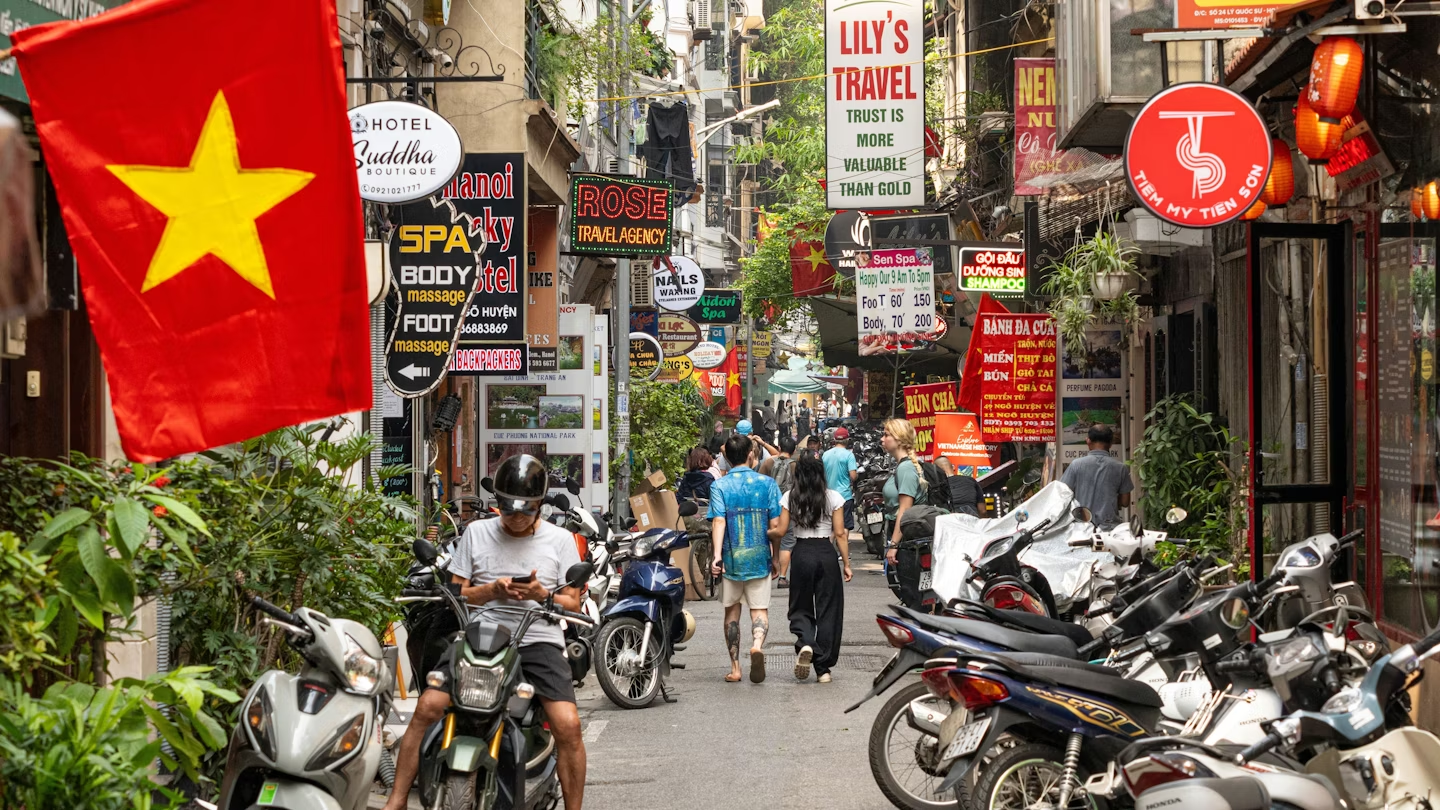
One of the first things visitors notice in Hanoi is the traffic. Motorbikes dominate the streets, and the number of vehicles can seem overwhelming at first. Thousands of motorbikes flow continuously through intersections, creating a chaotic yet strangely organized movement.
For new travelers, crossing the street can feel intimidating. However, the key is to walk slowly and steadily. Local drivers are accustomed to pedestrians and will usually adjust their movement accordingly.
Stopping suddenly or running across the road may actually cause confusion for drivers. Instead, maintaining a consistent walking pace helps traffic flow safely around pedestrians.
Although the traffic may appear chaotic, it functions through a shared understanding among local drivers. After a short time in the city, most visitors become surprisingly comfortable navigating Hanoi’s busy streets.
Safety and Awareness for Travelers
Overall, Hanoi is considered a safe city for tourists. Violent crime is relatively rare, and visitors generally feel comfortable walking around both during the day and at night.
However, like in many popular tourist destinations, petty crimes such as pickpocketing can occur in crowded areas. Travelers should remain aware of their belongings, especially in busy markets, tourist streets, or public transportation.
Some travelers may also encounter small tourist scams. These can include overcharging for taxi rides, unexpected service fees, or unclear pricing at certain shops. While these situations are usually not dangerous, they can be inconvenient.
To avoid such issues, many travelers prefer using ride-hailing apps instead of traditional taxis and confirming prices before purchasing goods or services.
With basic awareness and common travel precautions, most visitors experience Hanoi as a welcoming and friendly city.
Exploring the Old Quarter
The Old Quarter is one of the most iconic areas in Hanoi and often becomes the center of a traveler’s experience. This historic neighborhood dates back hundreds of years and consists of narrow streets filled with shops, restaurants, markets, and traditional houses.
Each street historically specialized in a particular trade. Even today, some streets still reflect these traditions, selling items such as silk, metal goods, herbs, or clothing.
Walking through the Old Quarter is like stepping into a living museum. The streets are vibrant, crowded, and full of energy. Street vendors cook fresh food on the sidewalks, motorbikes weave through the traffic, and small shops display colorful products.
On weekends, several streets near the city center become pedestrian zones. These walking streets transform into lively public spaces with street performances, music, games, and food stalls.
For travelers who want to understand the daily rhythm of Hanoi, the Old Quarter is the perfect place to start.
Hanoi’s Extraordinary Street Food Culture
Food is one of the biggest highlights of visiting Hanoi. The city is internationally famous for its street food culture, where simple sidewalk stalls serve some of the most delicious meals in Vietnam.
Unlike many countries where street food is considered a quick snack, in Hanoi it represents an important part of everyday dining culture. Locals gather around small plastic tables and stools to enjoy meals with friends, family, or coworkers.
Some dishes have become globally recognized. Pho, a flavorful noodle soup made with broth, herbs, and meat, is perhaps the most famous Vietnamese dish. Another popular specialty is bun cha, grilled pork served with noodles, herbs, and dipping sauce.
Banh mi, a Vietnamese sandwich influenced by French cuisine, combines crispy baguette bread with meats, vegetables, and sauces. Other dishes such as banh cuon (steamed rice rolls) and various noodle soups offer endless culinary exploration.
Trying street food in Hanoi is not just about eating—it is also about experiencing the social culture of the city.

Hanoi’s Unique Coffee Culture
Vietnam is one of the largest coffee producers in the world, and Hanoi has developed a distinctive coffee culture that reflects both tradition and creativity.
One of the most famous local specialties is egg coffee. This unique drink combines strong Vietnamese coffee with a creamy mixture made from egg yolk, sugar, and condensed milk. The result is a rich and surprisingly delicious beverage with a texture similar to dessert.
Traditional Vietnamese coffee is often brewed using a small metal filter called a “phin.” This slow brewing process produces a strong, concentrated coffee that is usually served with condensed milk and ice.
Across Hanoi, visitors can find countless cafes ranging from traditional sidewalk stalls to modern designer coffee shops. Many cafes also provide beautiful views of lakes, streets, or historic buildings.
Spending time in a Hanoi cafe is an essential part of experiencing the city’s relaxed and social atmosphere.
Museums and Cultural Attractions
Hanoi offers many museums and historical sites that provide deeper insight into Vietnam’s culture and history. Visiting these locations allows travelers to understand the country’s past beyond what they see on the streets.
Museums in Hanoi often cover topics such as Vietnamese history, culture, war history, and traditional arts. These institutions provide valuable educational experiences and can also be a great option during hot or rainy weather.
In addition to museums, Hanoi is home to many temples, pagodas, and historic landmarks that reflect the spiritual and philosophical traditions of Vietnam.
Exploring these cultural sites helps visitors appreciate the depth and complexity of Vietnamese society.
Currency and Payment Tips
The official currency used in Vietnam is the Vietnamese dong. While many hotels and larger businesses accept credit cards, cash is still widely used in everyday transactions.
Street food vendors, small shops, local markets, and traditional businesses usually prefer cash payments. Therefore, carrying small denominations is helpful for convenient purchases.
Travelers should exchange money at banks or authorized currency exchange counters rather than informal street vendors. This reduces the risk of receiving counterfeit money or unfavorable exchange rates.
ATMs are widely available throughout Hanoi, making it easy for travelers to withdraw local currency when needed.
Planning the Ideal Length of Stay
Although Hanoi is a large city with many attractions, most travelers find that spending about three days provides enough time to explore the main highlights.
A typical itinerary might include walking around the Old Quarter, visiting cultural sites and museums, exploring local markets, and enjoying Hanoi’s food and coffee culture.
However, Hanoi also serves as a gateway to many other famous destinations in northern Vietnam. Popular nearby locations include scenic landscapes, mountain regions, and coastal areas.
Because of this, many travelers use Hanoi as the starting point for longer journeys across northern Vietnam.
Hanoi as a Gateway to Northern Vietnam
Hanoi’s central location makes it an important transportation hub for exploring the northern region of Vietnam. From the city, travelers can easily reach several internationally known destinations.
Many visitors travel from Hanoi to nearby natural attractions known for their dramatic landscapes and cultural experiences. Mountain villages, limestone karsts, and traditional rural communities can all be accessed within a few hours of travel.
This makes Hanoi not only an exciting city on its own but also the perfect starting point for broader adventures throughout the region.

Visiting Hanoi During Major Holidays
One important cultural consideration for travelers is Vietnam’s Lunar New Year celebration, commonly known as Tet. This is the most significant holiday in the country and typically occurs in late January or early February.
During this period, many local residents travel to their hometowns to celebrate with family. As a result, some shops, restaurants, and businesses in Hanoi may temporarily close.
While the city can feel quieter during Tet, the holiday also offers a unique opportunity to witness traditional decorations, cultural ceremonies, and festive preparations.
Travelers visiting during this time should plan ahead and confirm accommodation and transportation availability.

Final Thoughts
Hanoi is a city that leaves a lasting impression on nearly everyone who visits. Its vibrant streets, delicious food, rich history, and welcoming culture create an atmosphere unlike any other destination.
At first glance, the city may seem chaotic. The traffic is busy, the streets are crowded, and the pace of life feels intense. However, beneath that surface lies a deeply cultural and charming city filled with traditions, community, and incredible hospitality.
By understanding the local customs, preparing for the weather, exploring the Old Quarter, and embracing the food culture, travelers can experience the true spirit of Hanoi.
For anyone planning a journey to Vietnam, Hanoi is not just a destination—it is an unforgettable introduction to the country’s culture, history, and everyday life.